Karno Center
Enhancing User Engagement on a Tourist Platform to Boost Sales Growth in Local Restaurants
During a period of time as a tour guide, I observed that tourists often encounter significant challenges when selecting and ordering their food. Tourists often have trouble understanding the ingredients in dishes, which makes it hard for them to order food.
Supporter and my role:
Karno Center is a company that supports innovative ideas. I presented our business plan to them, and they decided to invest in the project and our team.
Team Members: Web Developer, Food Specialist, Product Designer, Marketing Specialist
With a background in product design, I designed a food app during my university studies. This experience led to my role as the lead product manager for the project.
Travelers
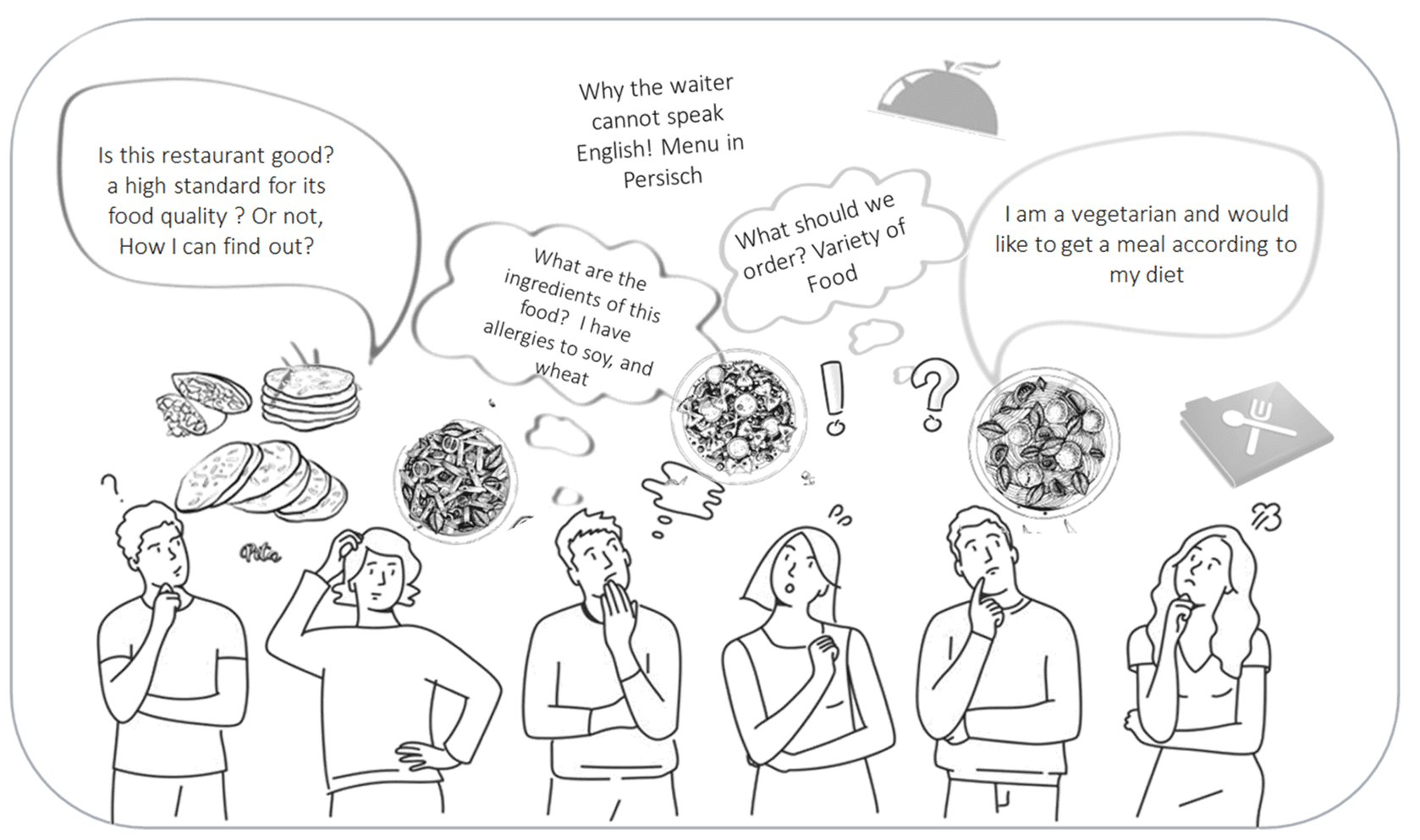
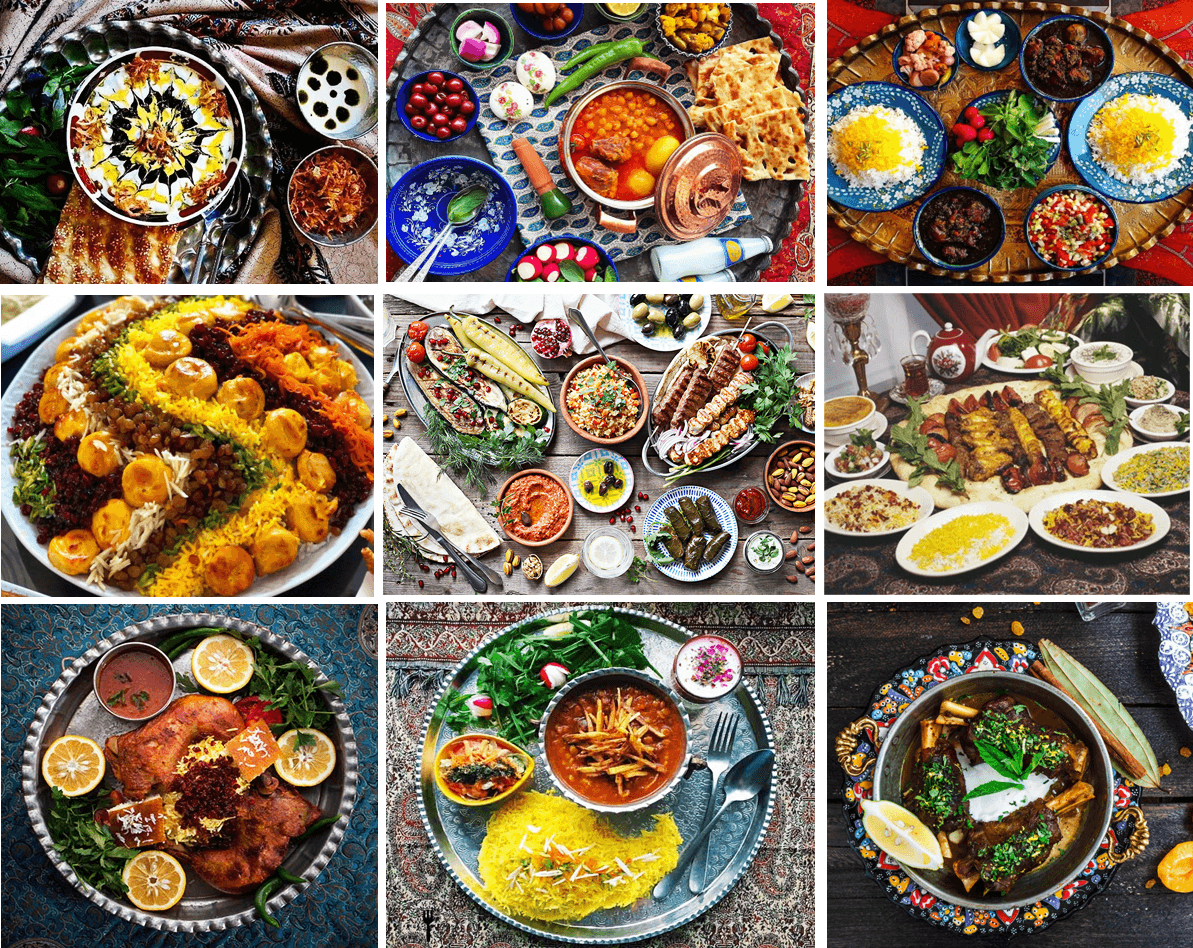
There are over 220 local Food in Iran. The importance of eating local food when you travel. Trying out local food is the most important part of traveling. Food is experiential. It is through food that we learn much about a country. Local food plays a significant role in the overall experience of tourists. tourists spend about 40% of their travel budget on food and beverages. Tourists have a lot of challenges in ordering food in Iran. They want to visit many places and during their journey order local foods. I found out these questions and problems from tourists, What are the ingredients in this Local Food? I have an allergy to soy oil, has this food soy oil? Why is the menu not in English? I am on a diet I can’t eat more. Why the plate is too big (Waste Food)
The portion sizes for tourists are often too large, leading to significant food waste.
Local
Restaurants
Local restaurant owners aim to attract more tourists because they bring in valuable foreign currency, such as dollars and euros. However, these restaurants often need better advertising and more comprehensive information in English, which makes it challenging for tourists to locate and choose their restaurants.
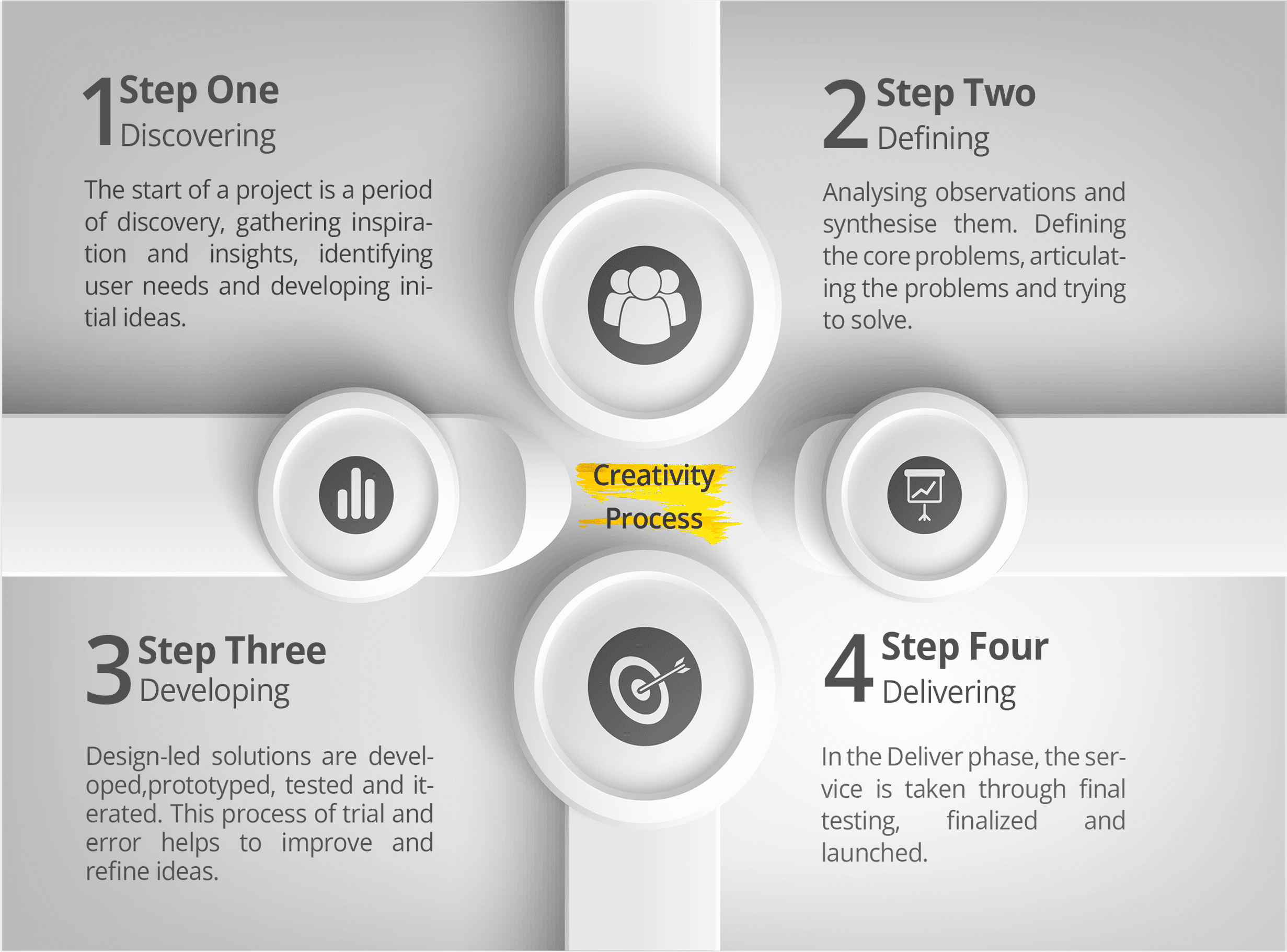
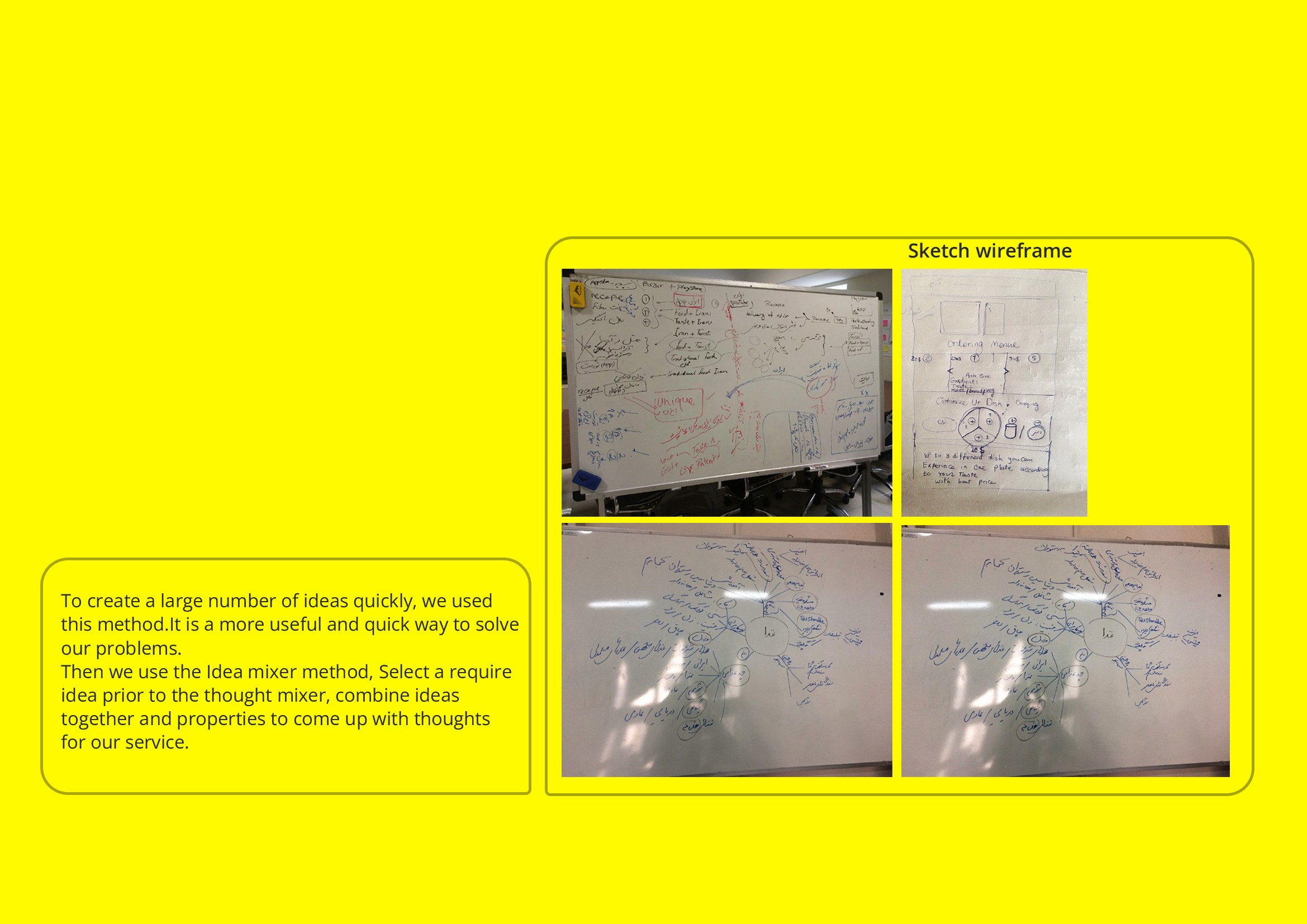
I have used this design thinking process to better understand user needs and solve problems. By conducting user research, I can clearly define the problems. I then generate a wide range of ideas with the team to address the problems. I have created prototypes to explore solutions and test these prototypes with users to gather feedback.
In this project, I utilized a Stakeholder Map to effectively manage requirements specifications and prioritize tasks. I collected essential requirements directly from stakeholders and prioritized functions using the MoSCoW method. Additionally, I incorporated insights gathered from interviews to enrich the Stakeholder Map, ensuring alignment between project goals and stakeholder expectations. I have represented their requirements in design.
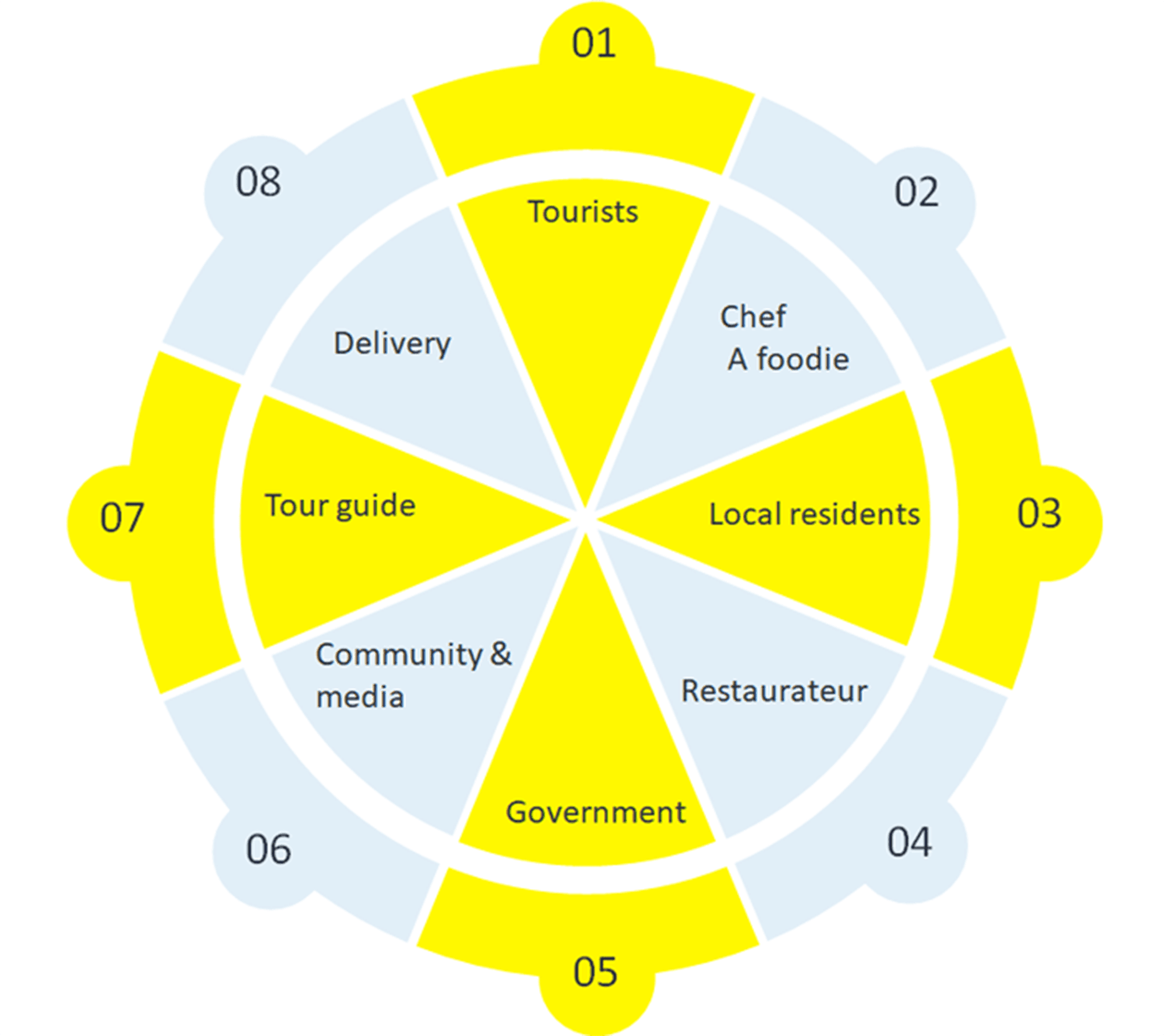
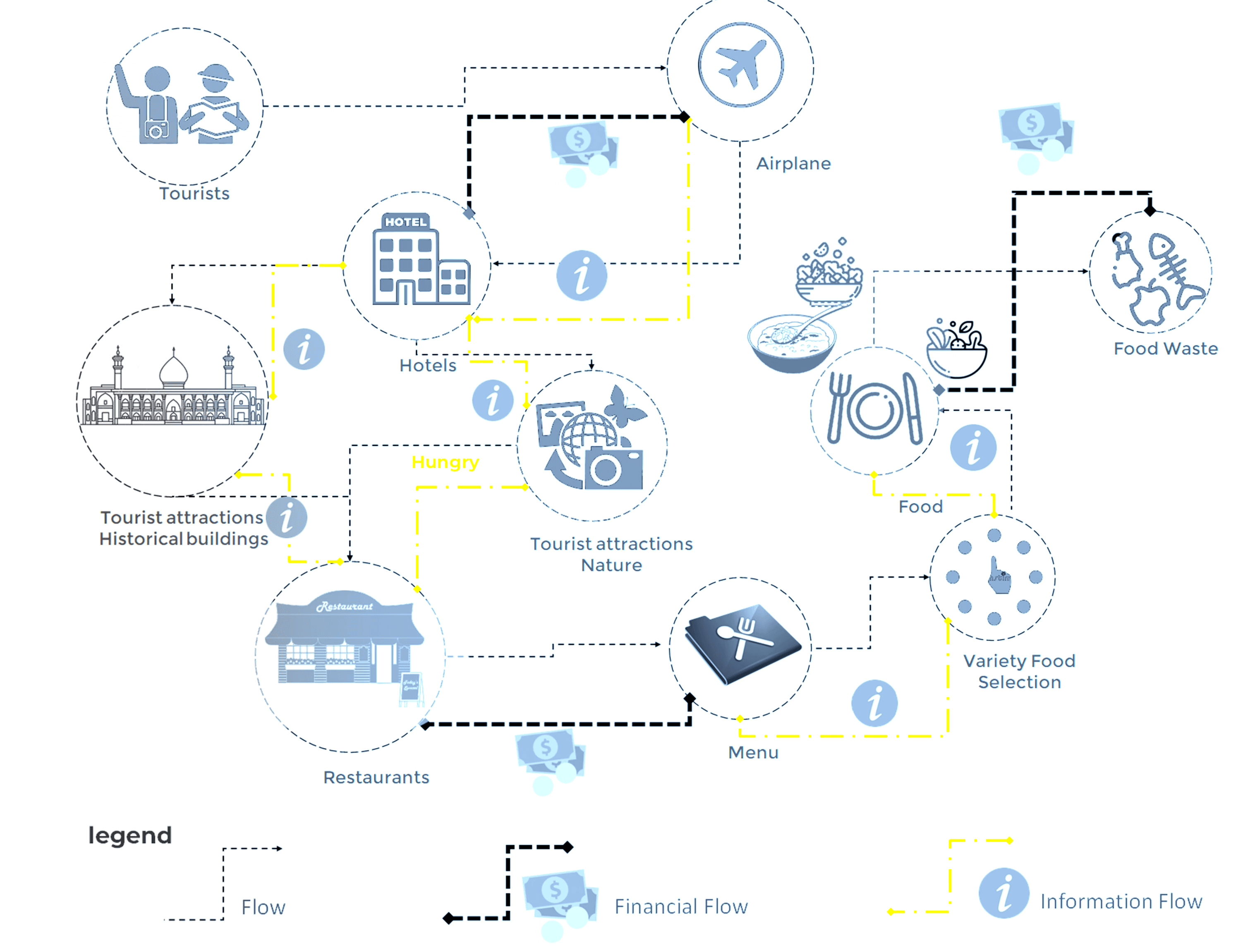
By integrating these processes, we ensure a comprehensive and user-centered approach to designing a travel platform that meets the needs of all stakeholders involved. We understood where users need information and where they spend money
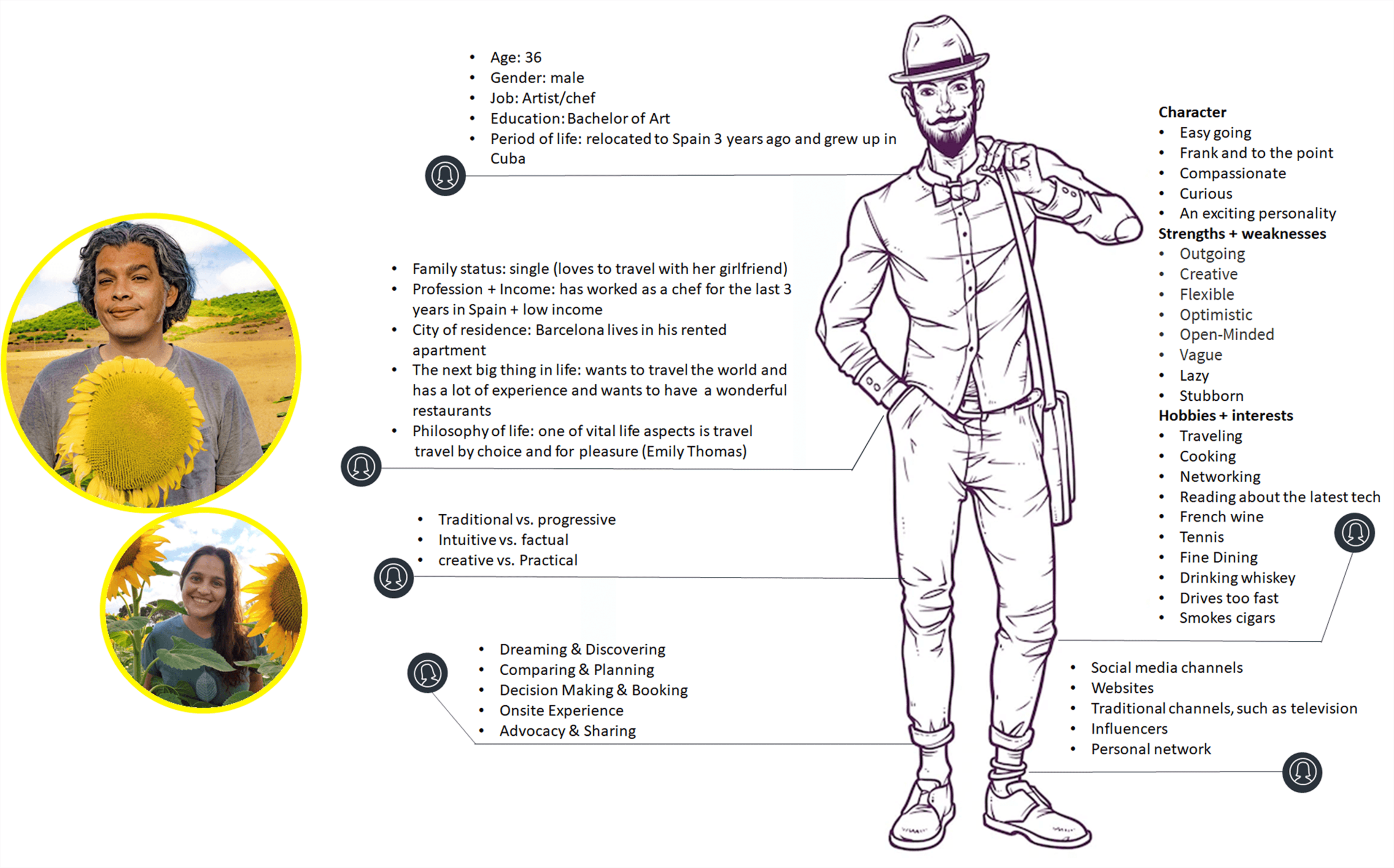
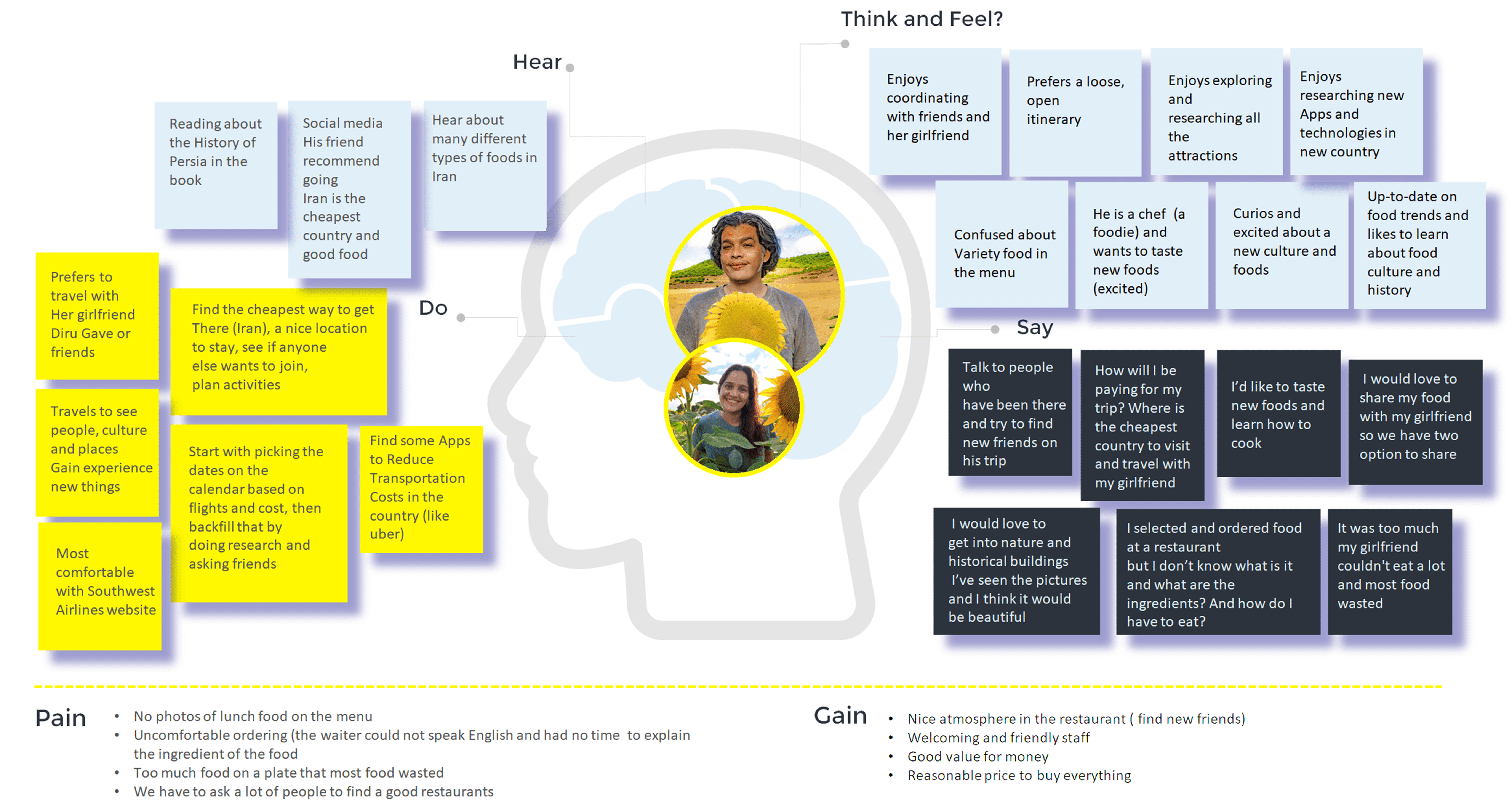
Jorge and his girlfriend always went everywhere together. I used a persona and empathy map to deepen our understanding of user needs and behaviors. One of the personas developed was Jorge and his girlfriend. This persona was crafted based on real user data and represents a typical user archetype. The persona helped us visualize Jorge's goals, motivations, pain points, and behaviors when interacting with our service. The empathy map furthered our understanding by outlining Jorge's thoughts, feelings, influences, and challenges about his experience. By empathizing with Jorge and mapping out his journey, we gained valuable insights that guided the design and development process.
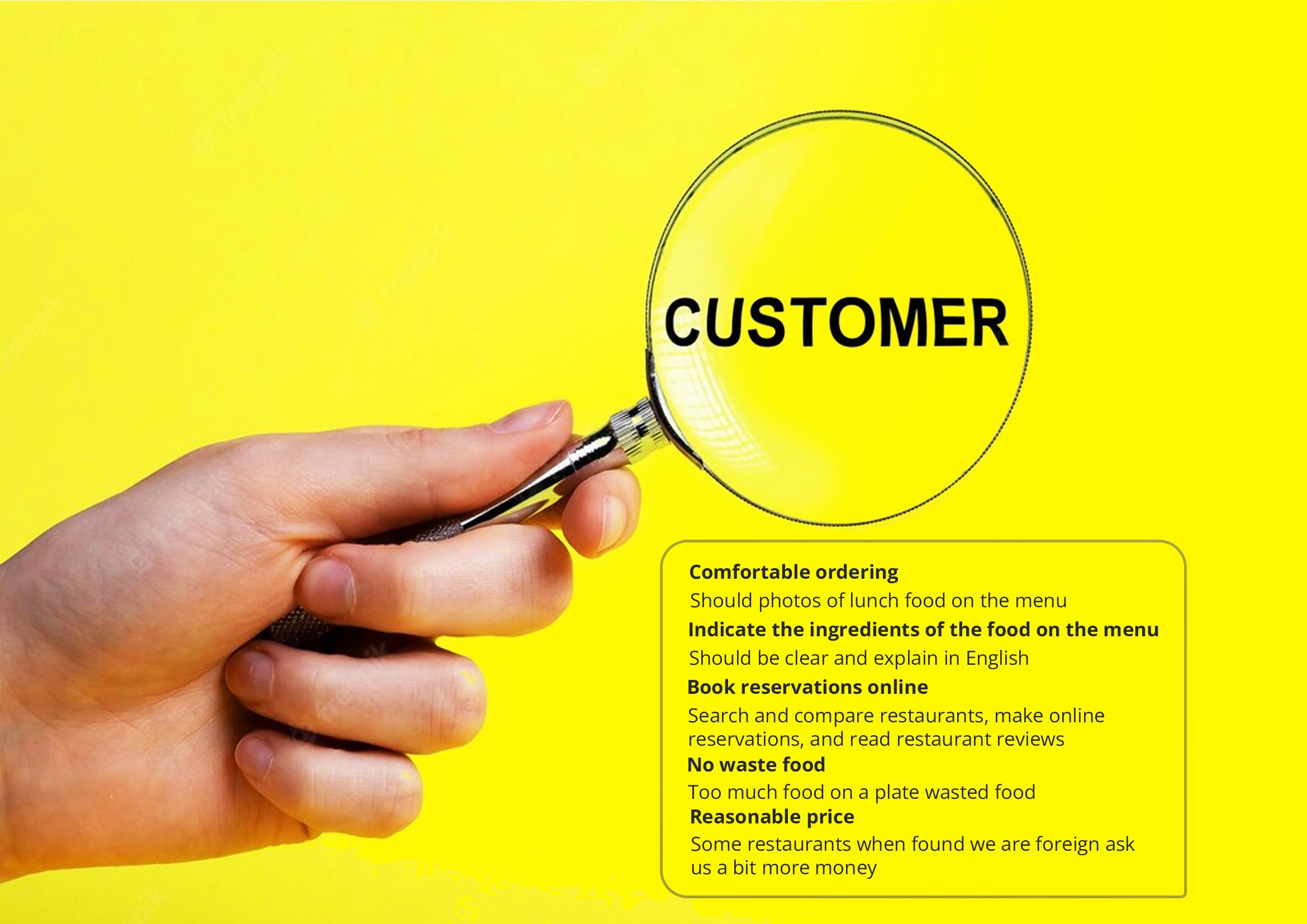
Based on the data collected through user research, we have identified the following key needs of customers:
By collaboratively brainstorming and prioritizing solutions, the team can effectively address the challenges faced by tourists, enhancing their overall experience and supporting local businesses to grow.
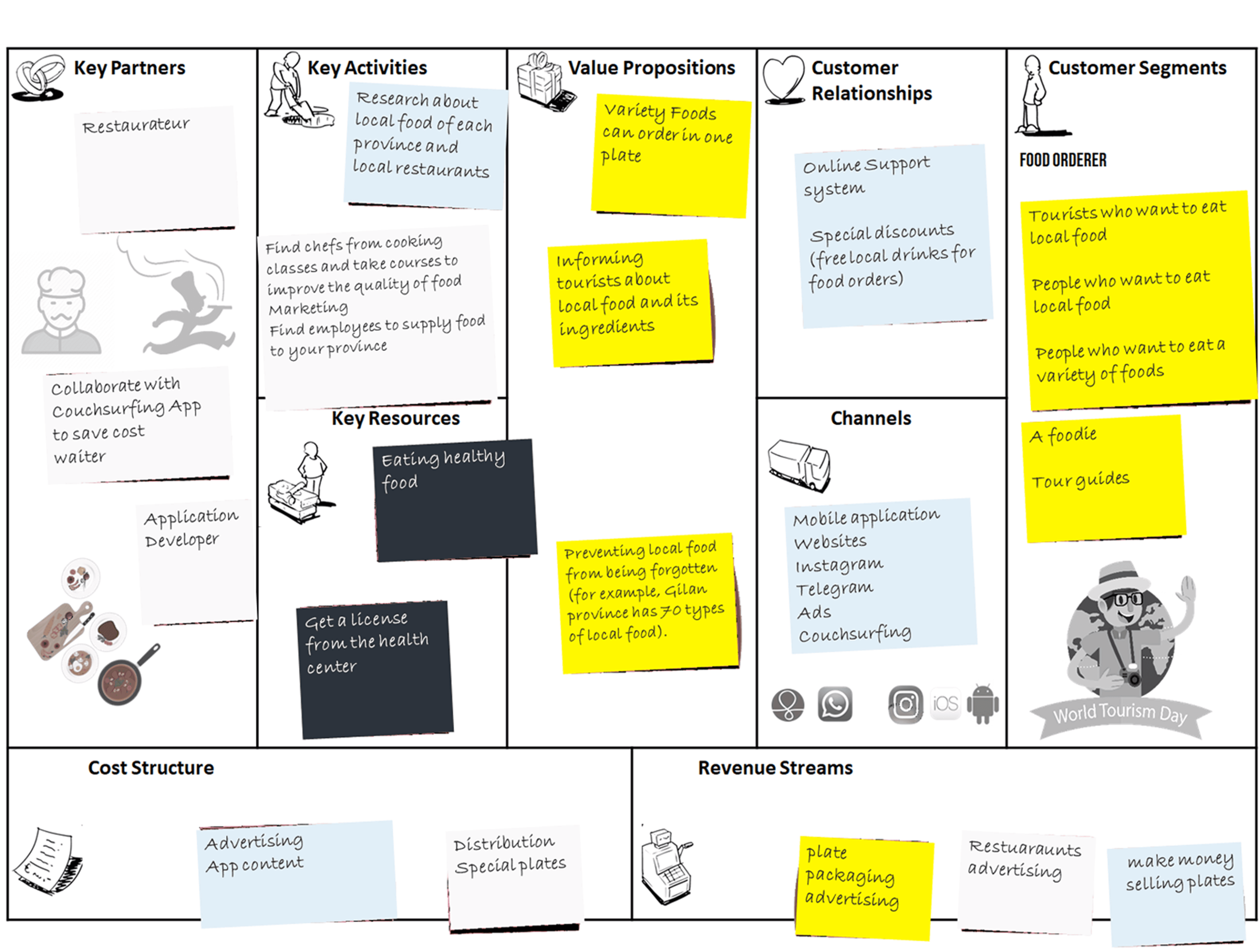
We have revised our business model to better align with user needs and add more value to engage our sponser. we found that tourists like to taste a variety of options food. This understanding has guided the following updates to our business model.
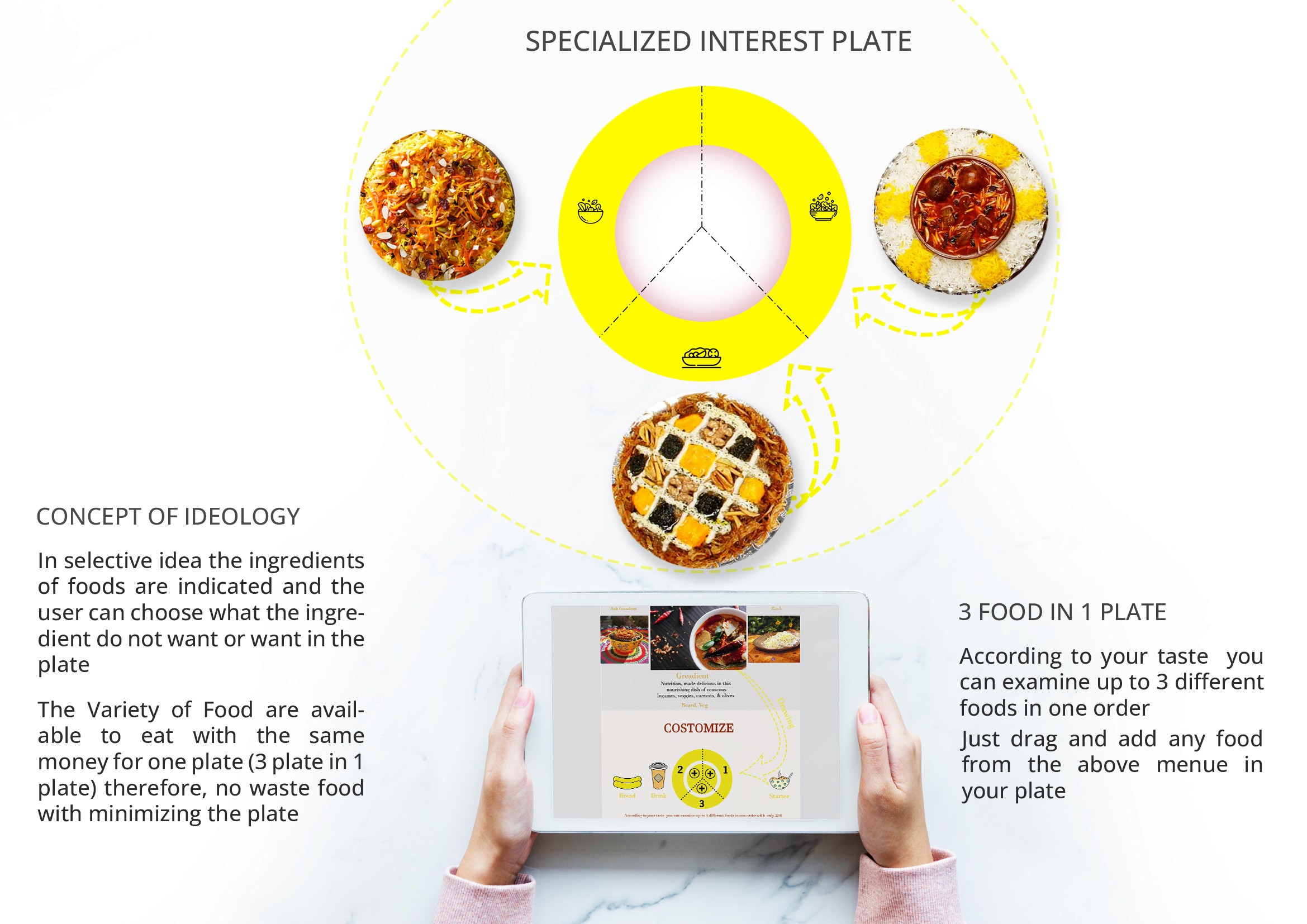
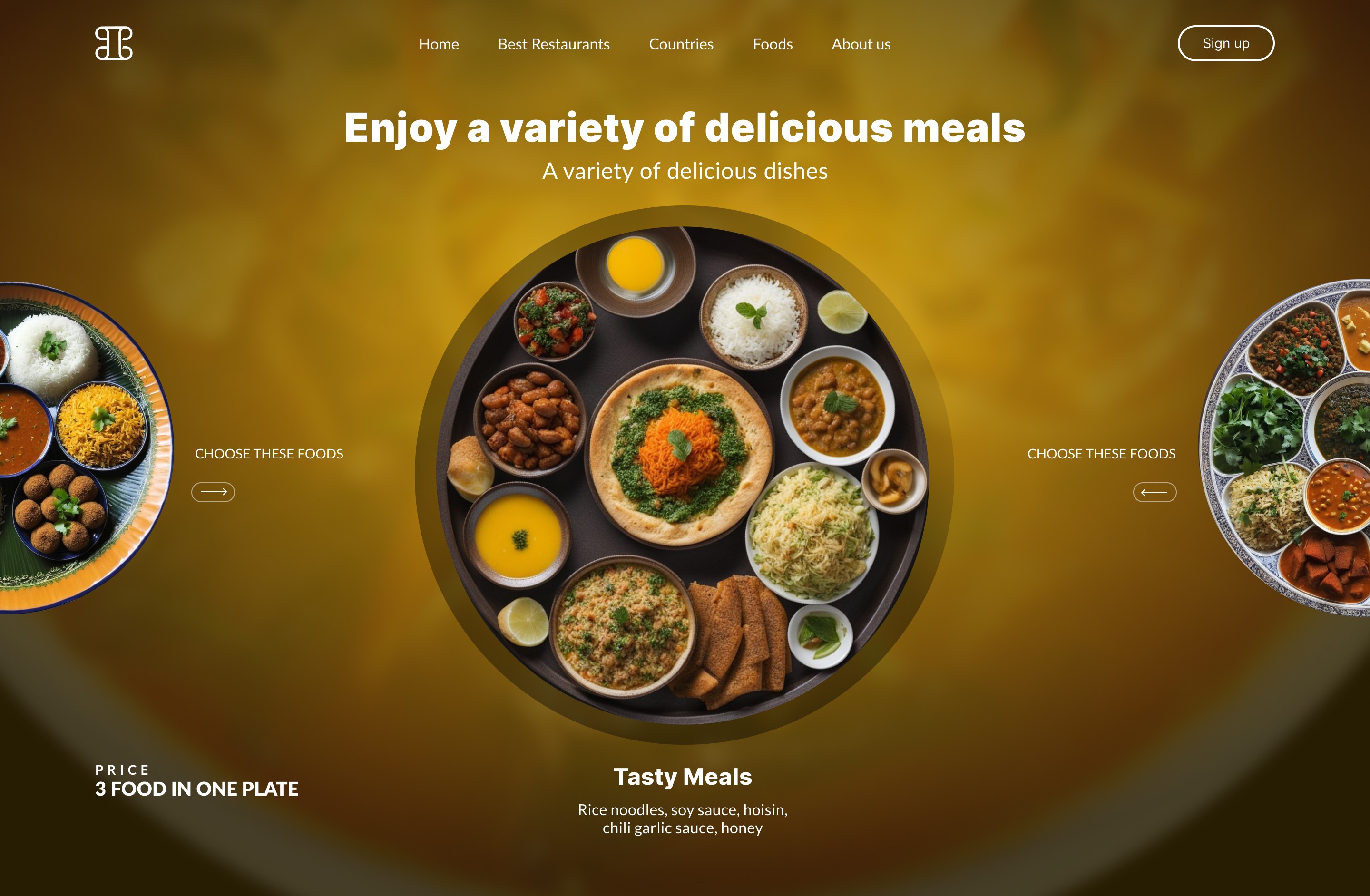
We introduced a new option where users can enjoy three different foods on one plate in smaller portions. This allows them to sample a variety of dishes. Additionally, users can reserve their meals in advance before arriving at the restaurant.
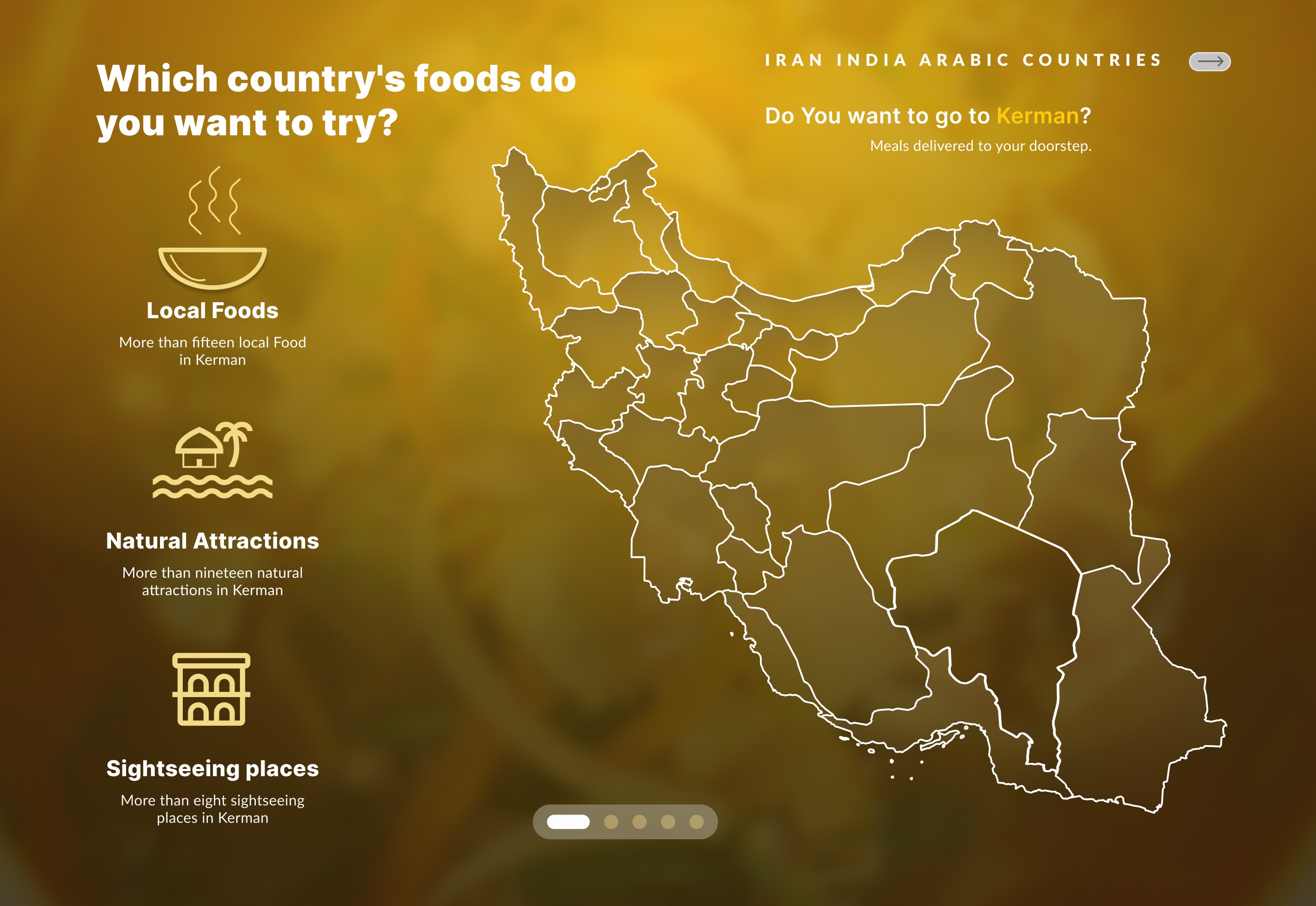
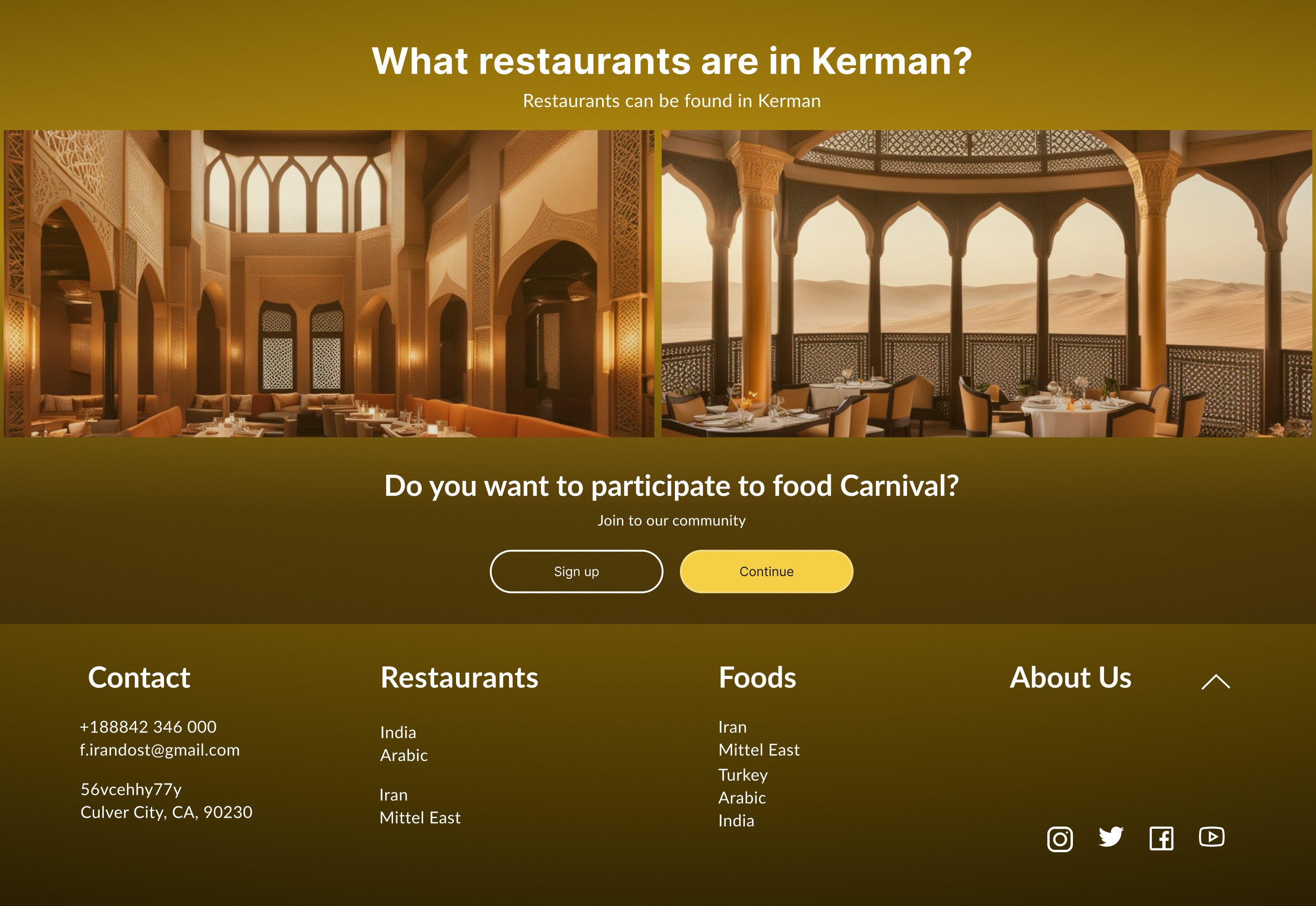
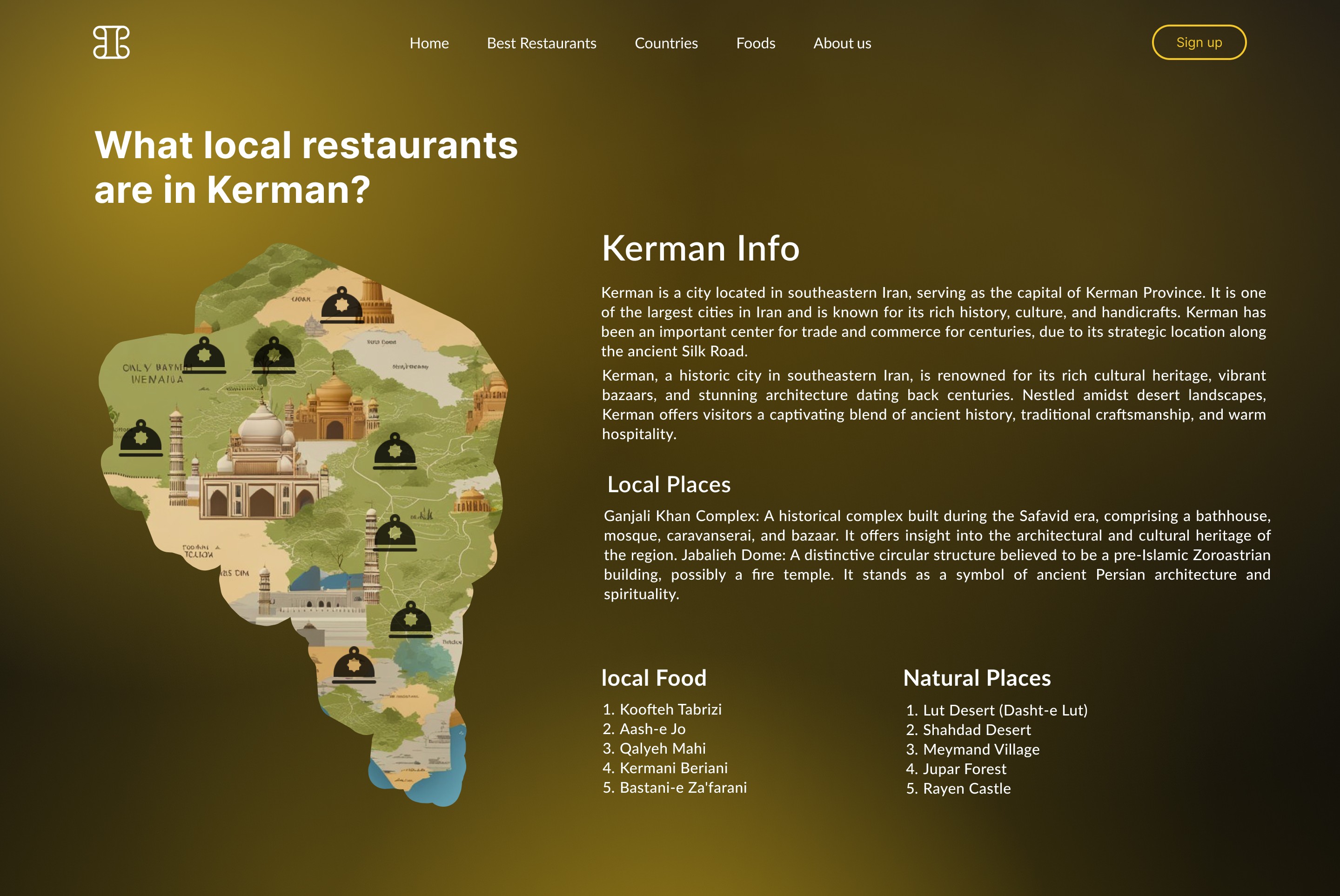
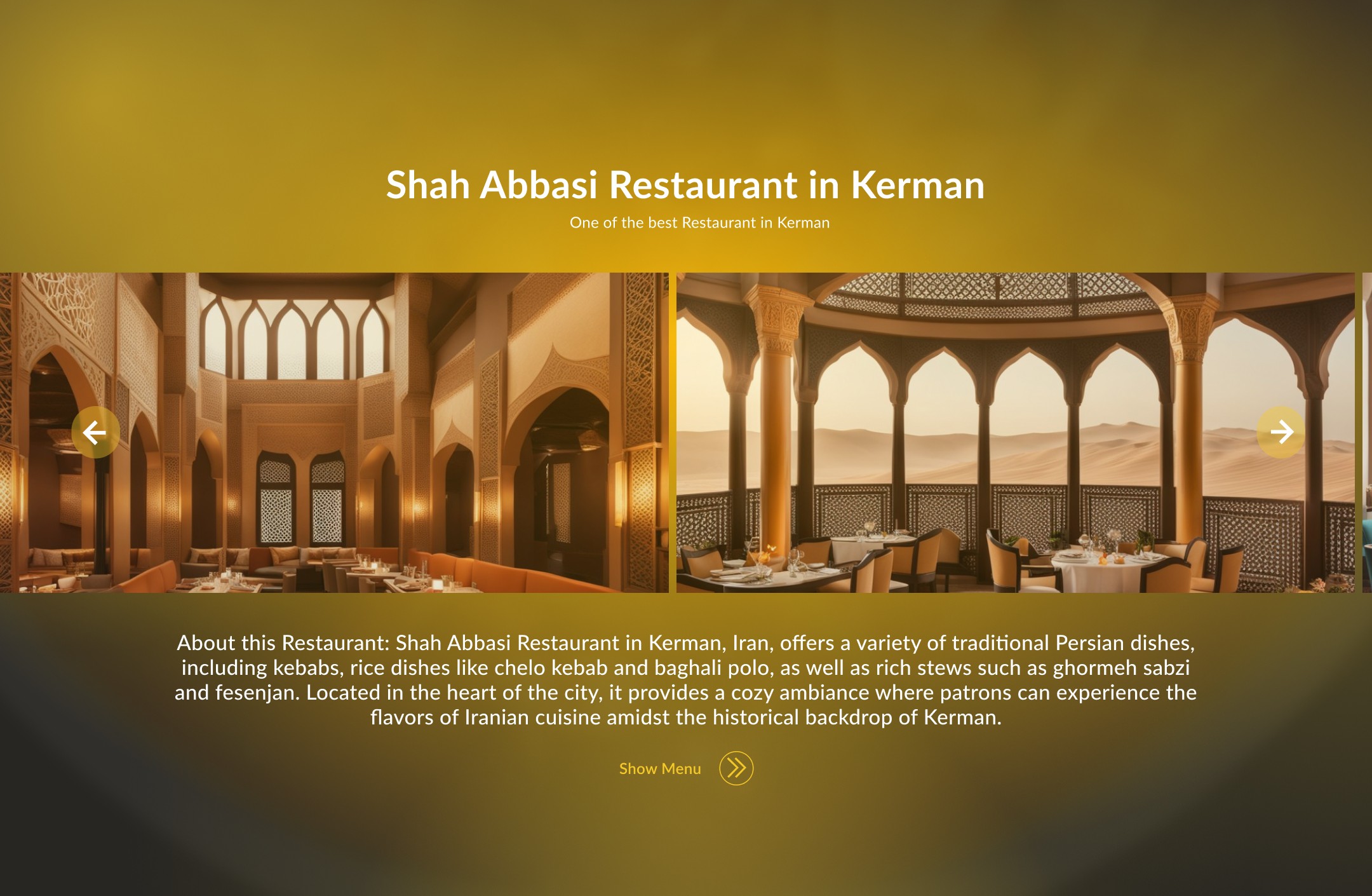
Validating the platform's effectiveness in meeting user needs and driving business growth for both users and local restaurant owners.
Increase in customer satisfaction
Implementing interactive digital menus with ingredient details and multilingual support to enhance user experience. Introducing customizable food options and personalized recommendations to improve user satisfaction and engagement.
Impact on local restaurant revenues
Enhanced visibility and marketing support resulted in a 20% increase sales for local restaurant partners