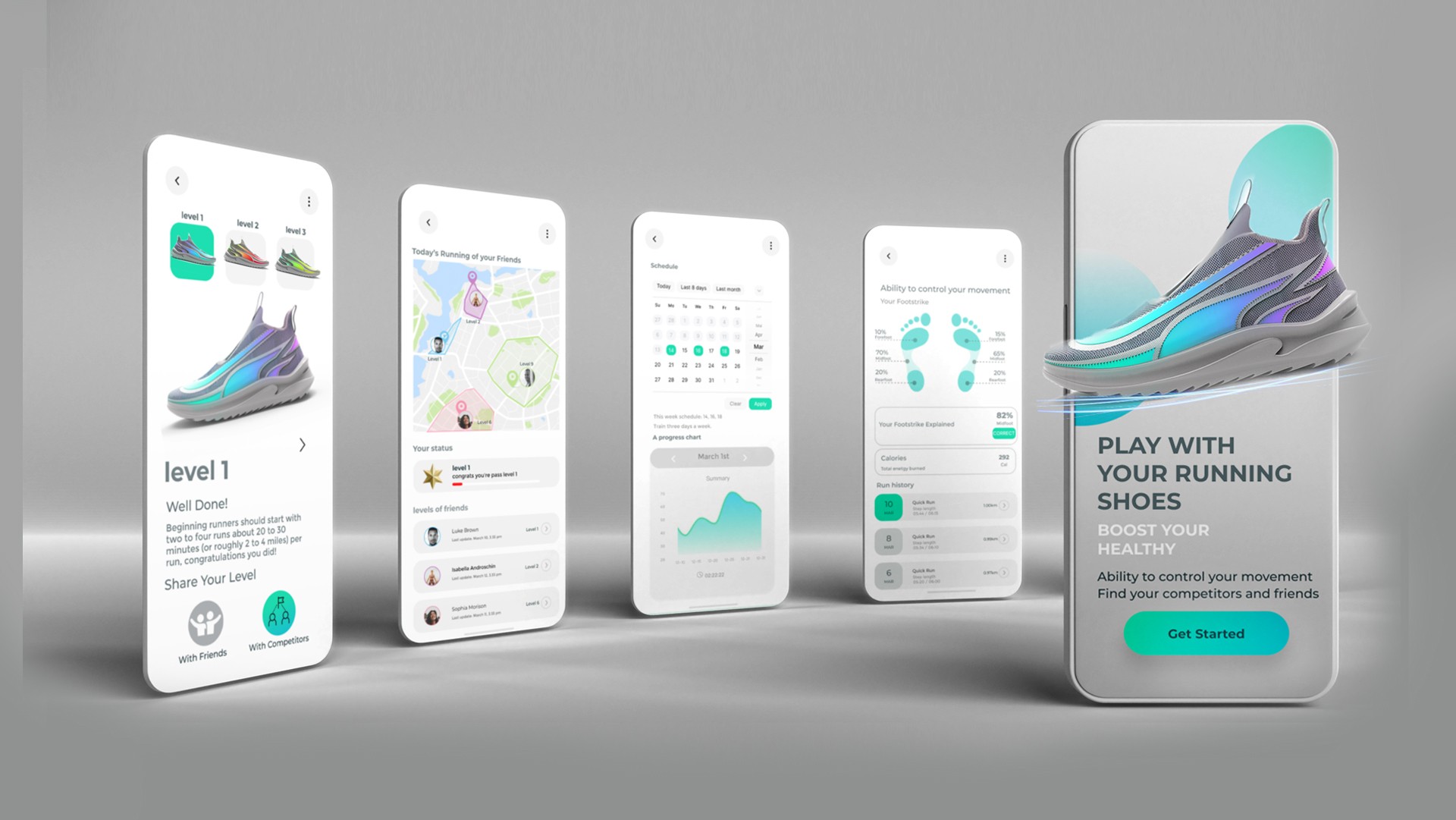
In my free time, I enjoy running, although sometimes I feel unmotivated. I have previously studied persuasive approaches, which has motivated me to apply my knowledge in designing something new. So I have started creating something new to address a common issue that many people experience. Additionally, I have submitted my design to the Red Dot Design Award.
Running can lower blood pressure and resting heart rate, improve blood sugar control, lower triglycerides, and lower cholesterol, and reduce waist circumference and body fat percentage. Improving these markers of health can reduce disease risk and help feel healthier overall. (www.themanual.com). People often want to go running, but sometimes they just don't feel motivated. I also like running, but there are days when I lack motivation too.
Improve Health: Help people make informed choices to better health outcomes.
Prevent Disease: Educate on risk factors and reducing the likelihood of illness.
Inspire Habits: Cultivate healthy lifestyle practices, making wellness a part of daily routines.
Sustain Motivation: A community that encourages and uplifts each other to stay committed to their health journey.
Target Audience
Health Enthusiasts
Advanced Runners and Athletes
Social Runners
Beginners who wants to find firends
Persuasive design is an area of design practice that focuses on influencing human behavior through a product's or service's characteristics. Based on psychological and social theories, persuasive design is often used in public health. Persuasive design help designers apply psychology to design more effective, more fun, and more engaging interactions. Using psychology to design help designers dive into how we are as humans: how we think, react, and make decisions. Persuasive design explores what motivates us and what drives us toward action. (www.interaction-design.org)
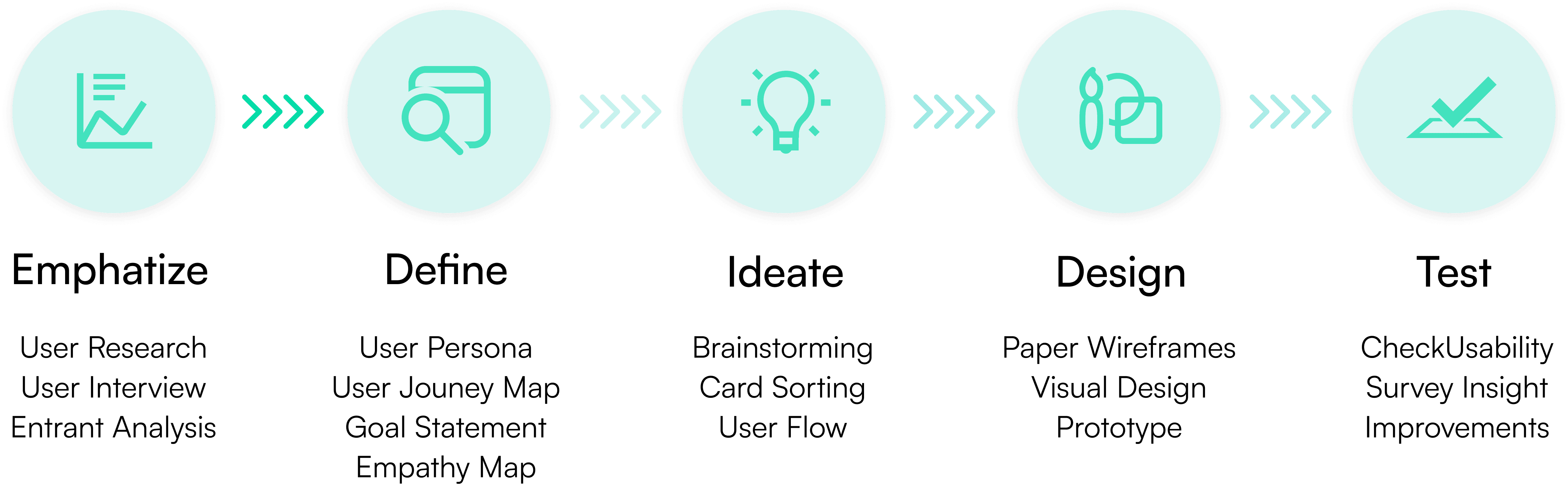
This category details the step-by-step approach taken during the project, including research, planning, design, development, and optimization phases.
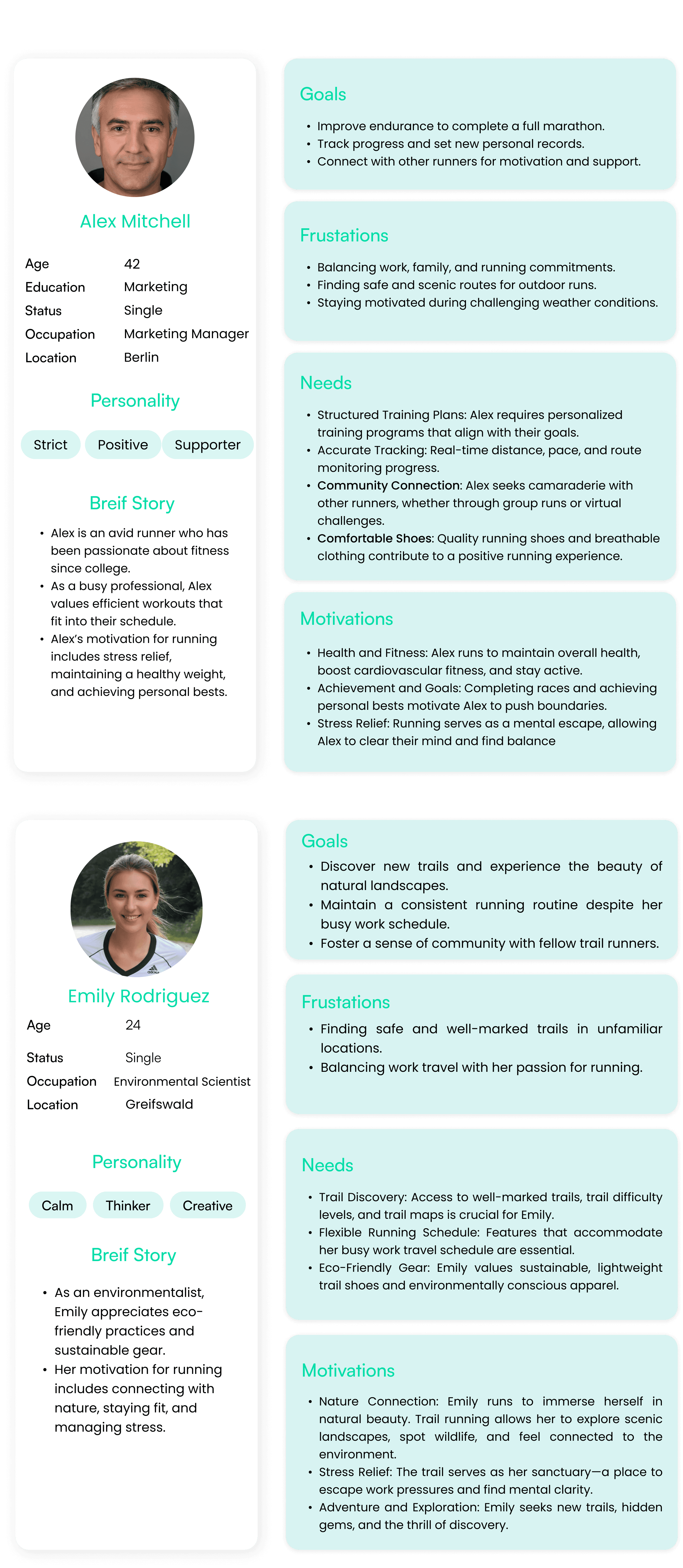
Qualitative Research
By delving into users’ perspectives, we gain insights that inform app design, engagement strategies, and improvements
Interview Questions
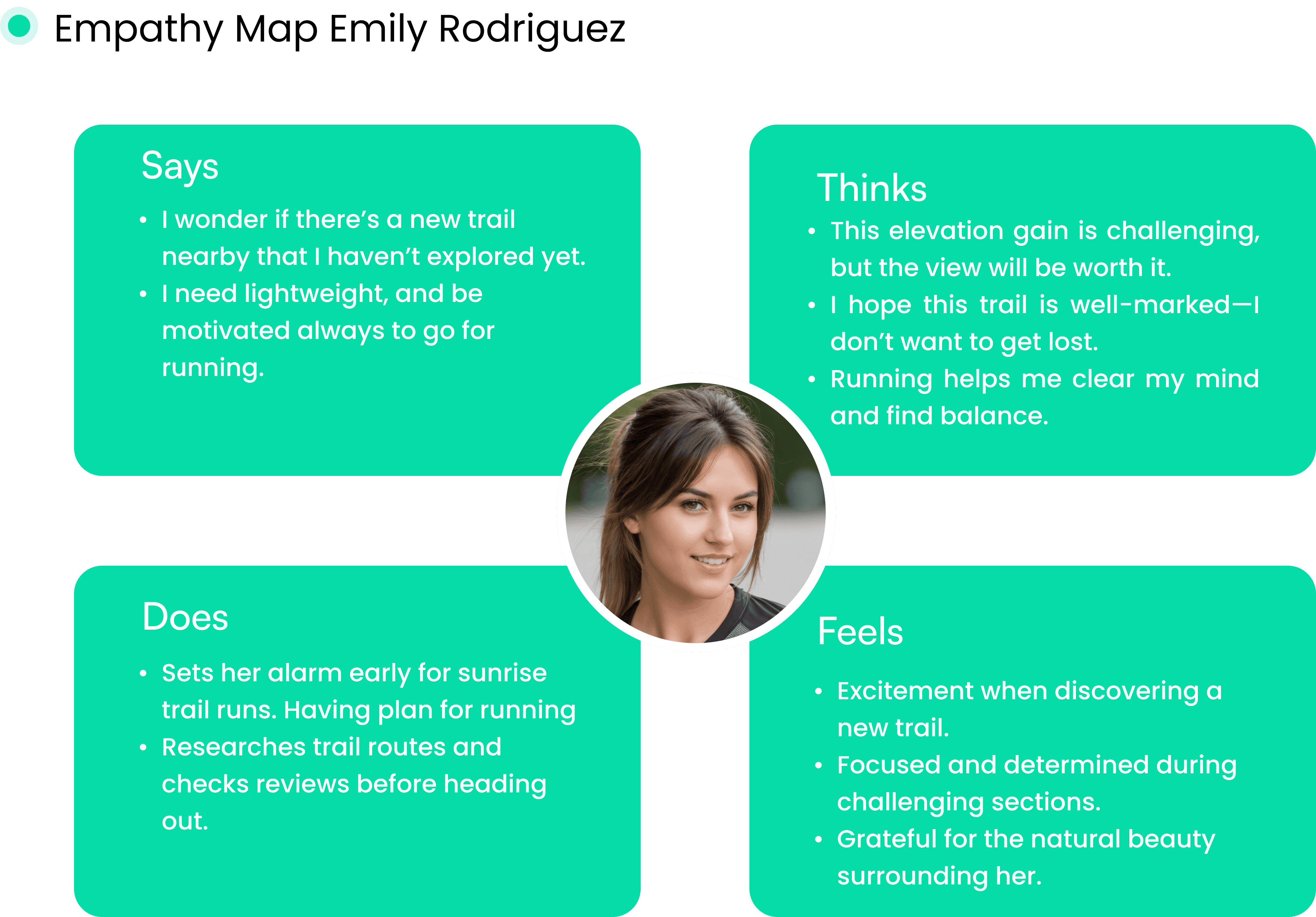
How long have you been running? How often do you currently run?
Are you a beginner, intermediate, or advanced runner?
What motivates you to run?
What specific fitness goals do you have (e.g., weight loss, endurance, stress relief)?
What obstacles prevent you from running consistently?
Do you struggle with time management, lack of motivation, or physical discomfort?
Which features would encourage you to run more often? (e.g., personalized training plans, social challenges, rewards)
Would you like to connect with other runners through the app?
Are virtual races or challenges appealing to you?
How important is sharing achievements with friends or a community?
How often would you like to receive feedback on your progress?
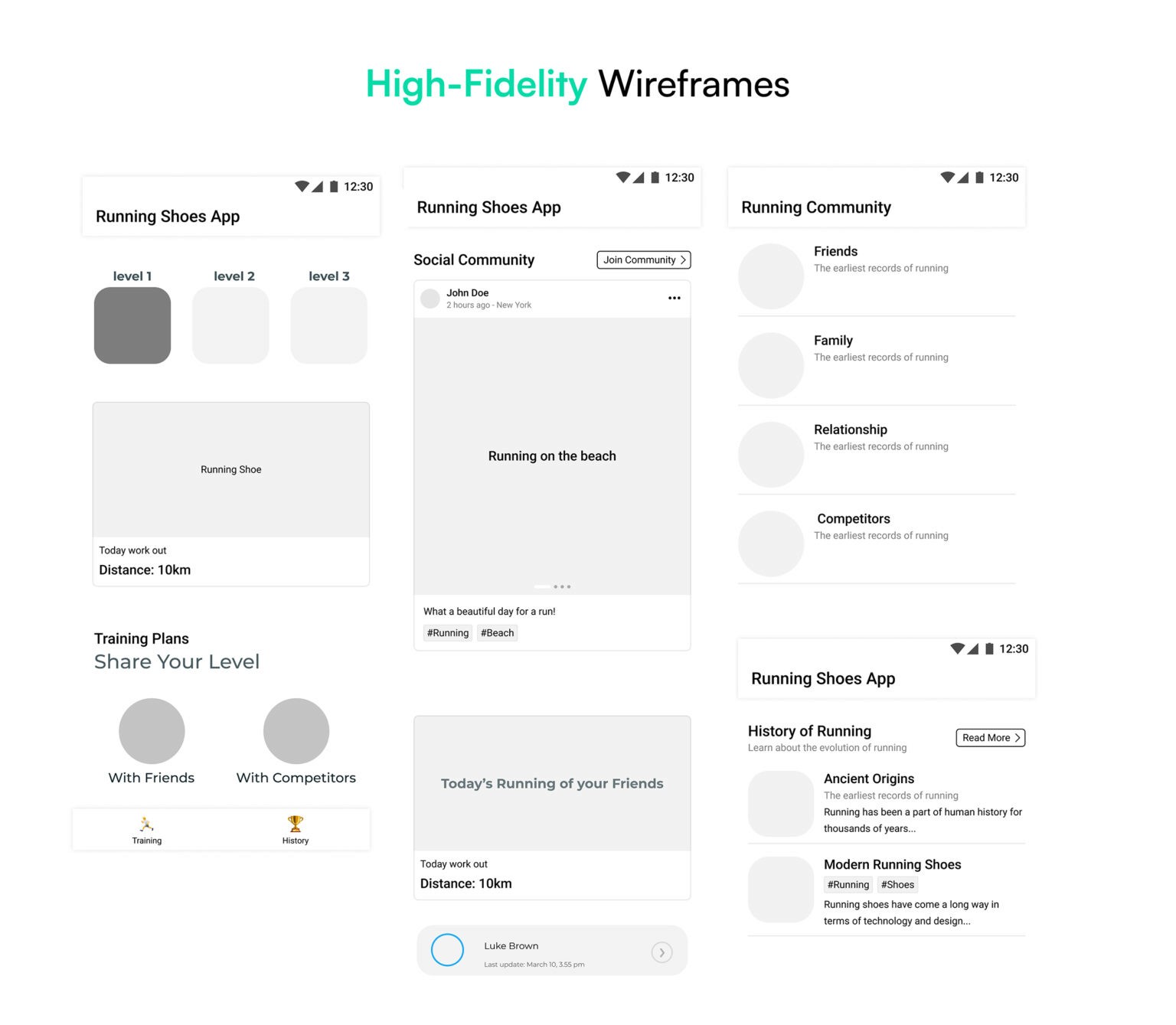
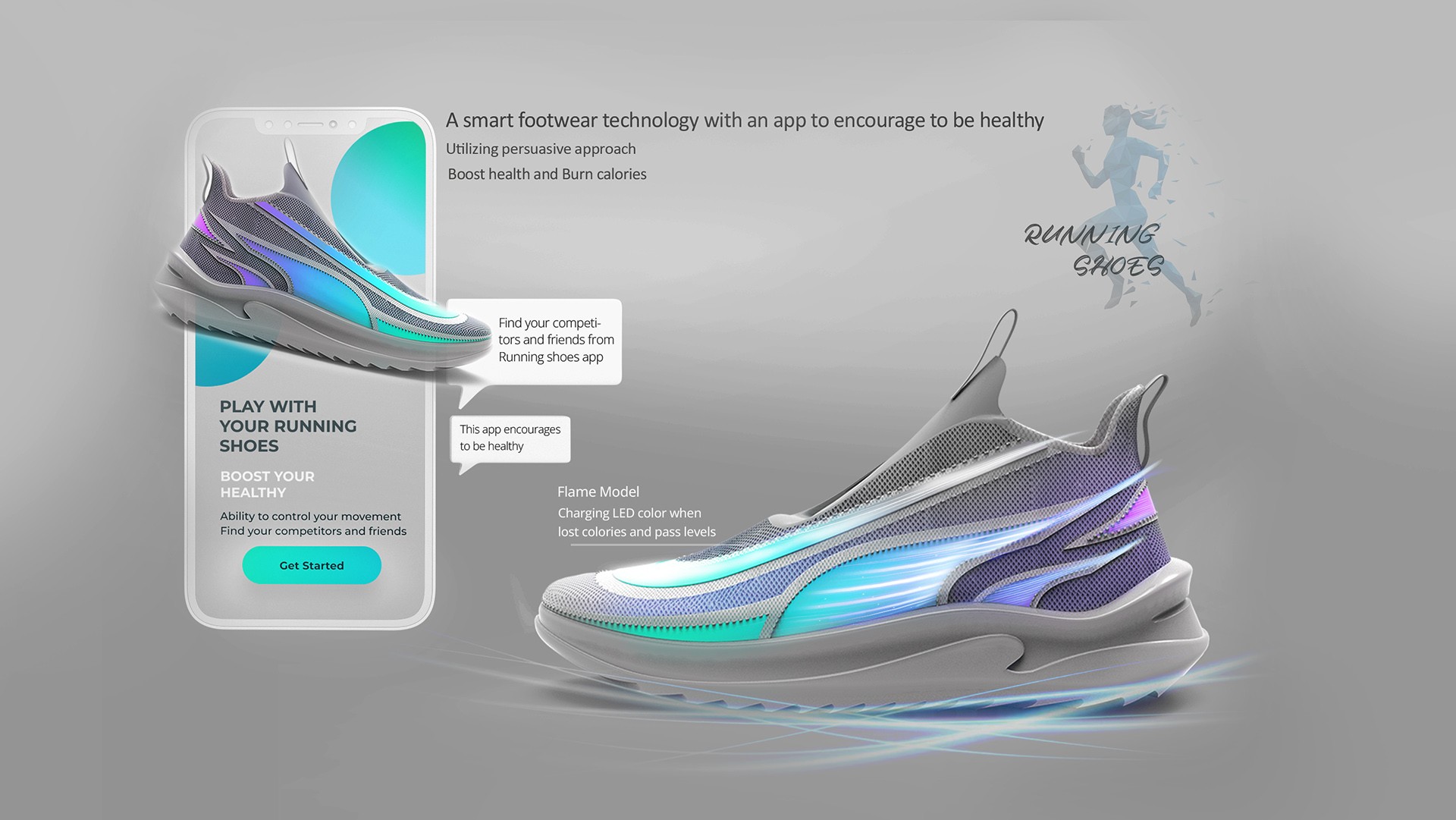
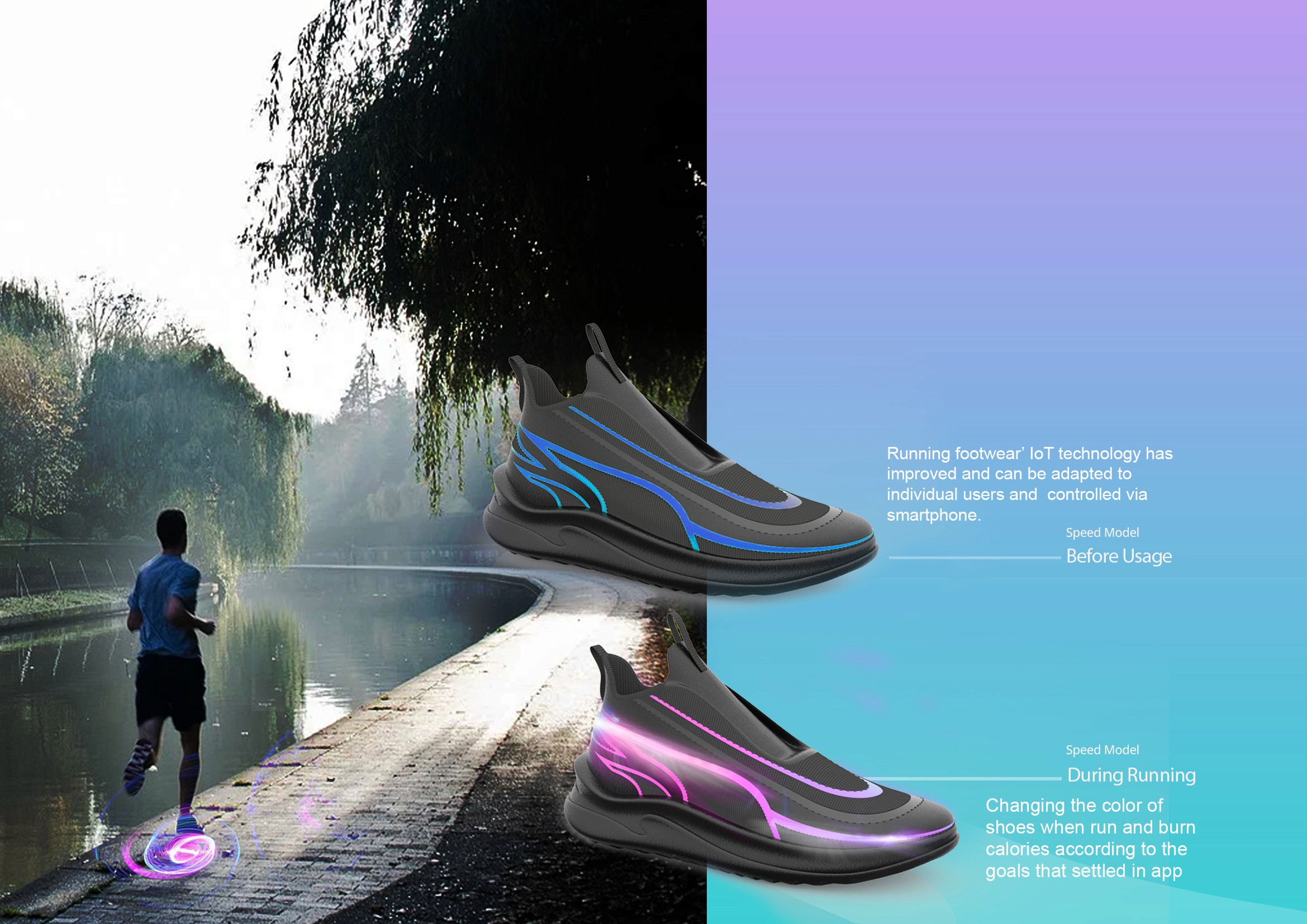
This final solution shows how IoT can influence human behavior, raise awareness, and make IoT products more effective.
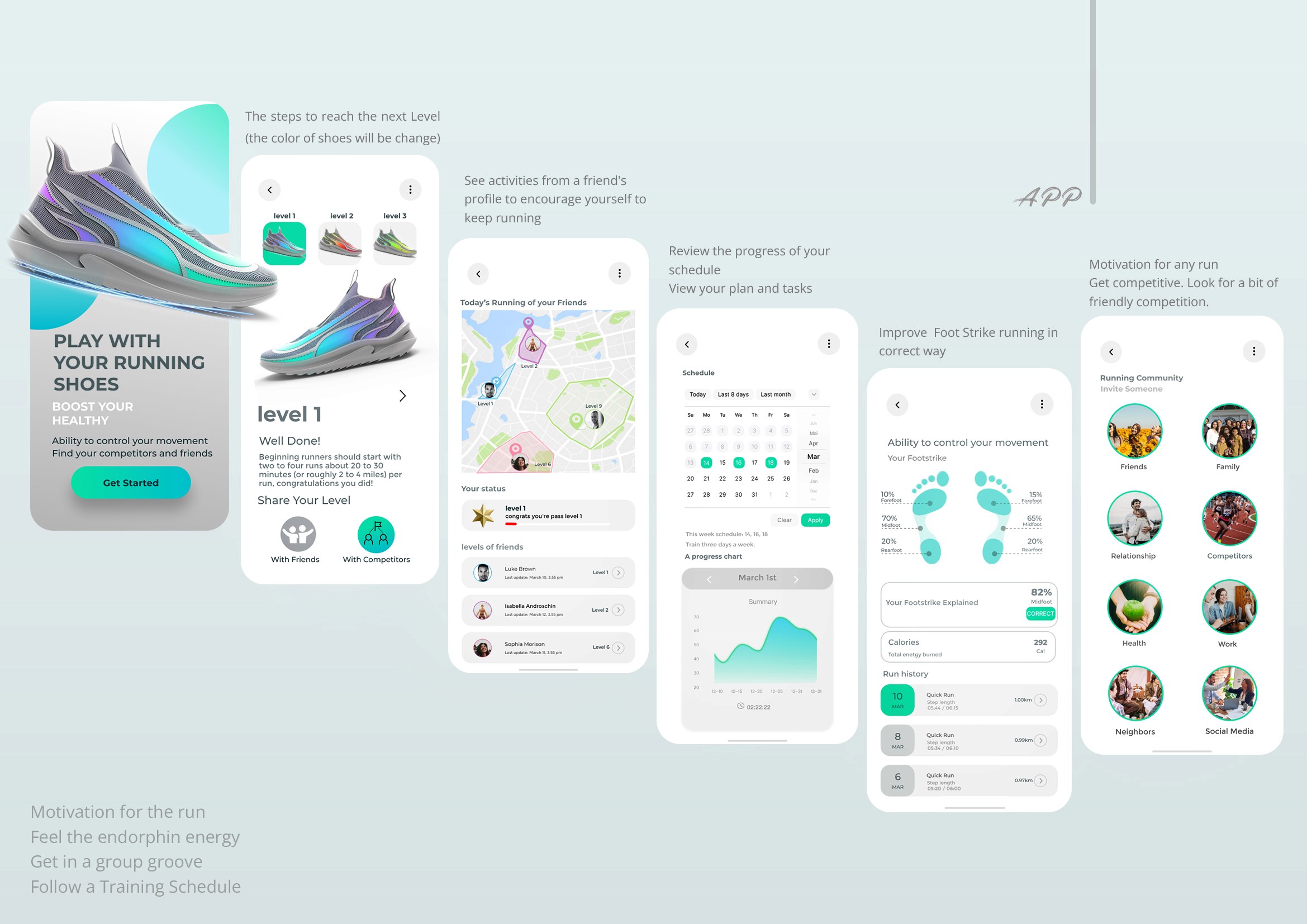
The strategy for designing running shoes and apps encourages healthy habits by:
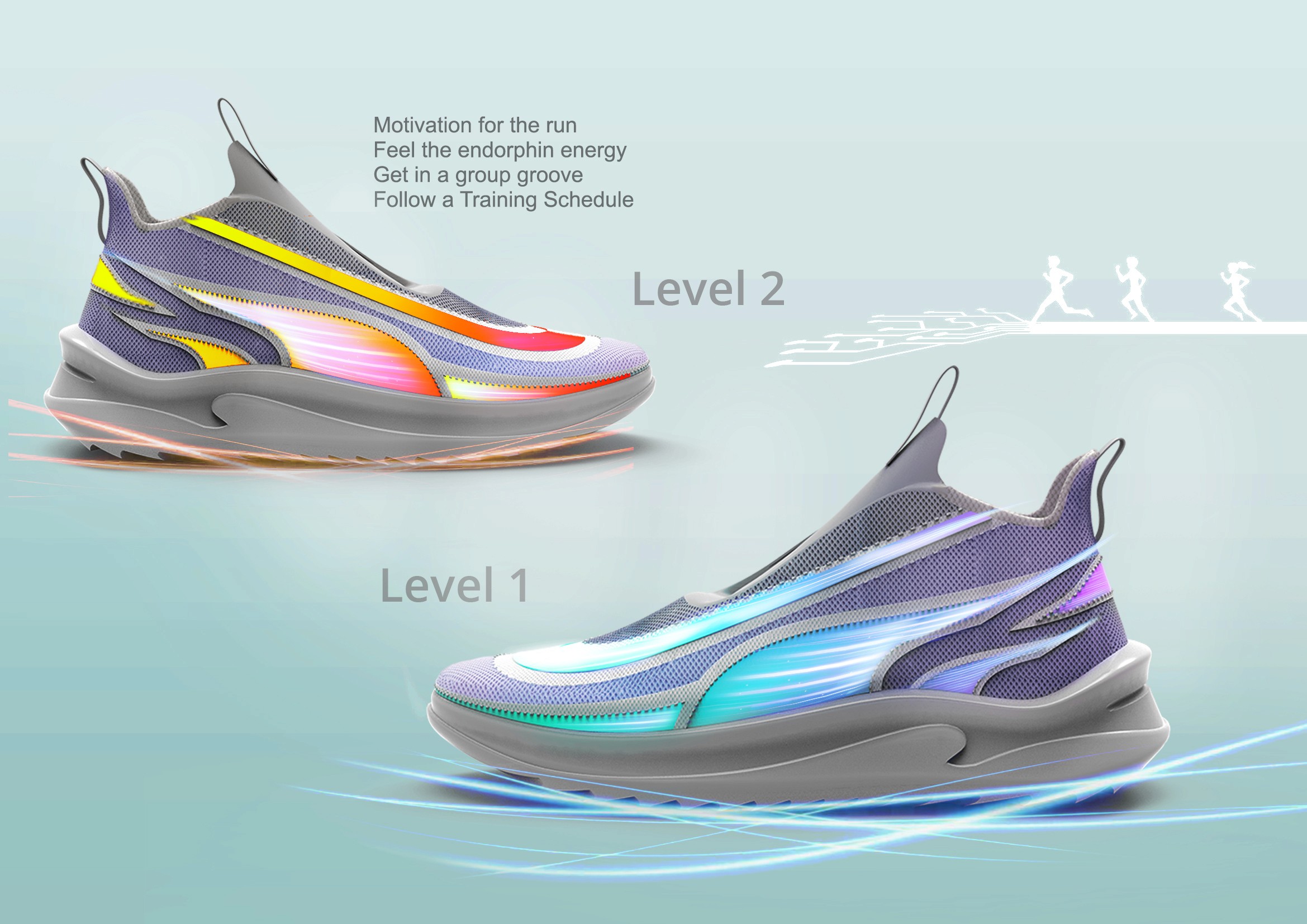
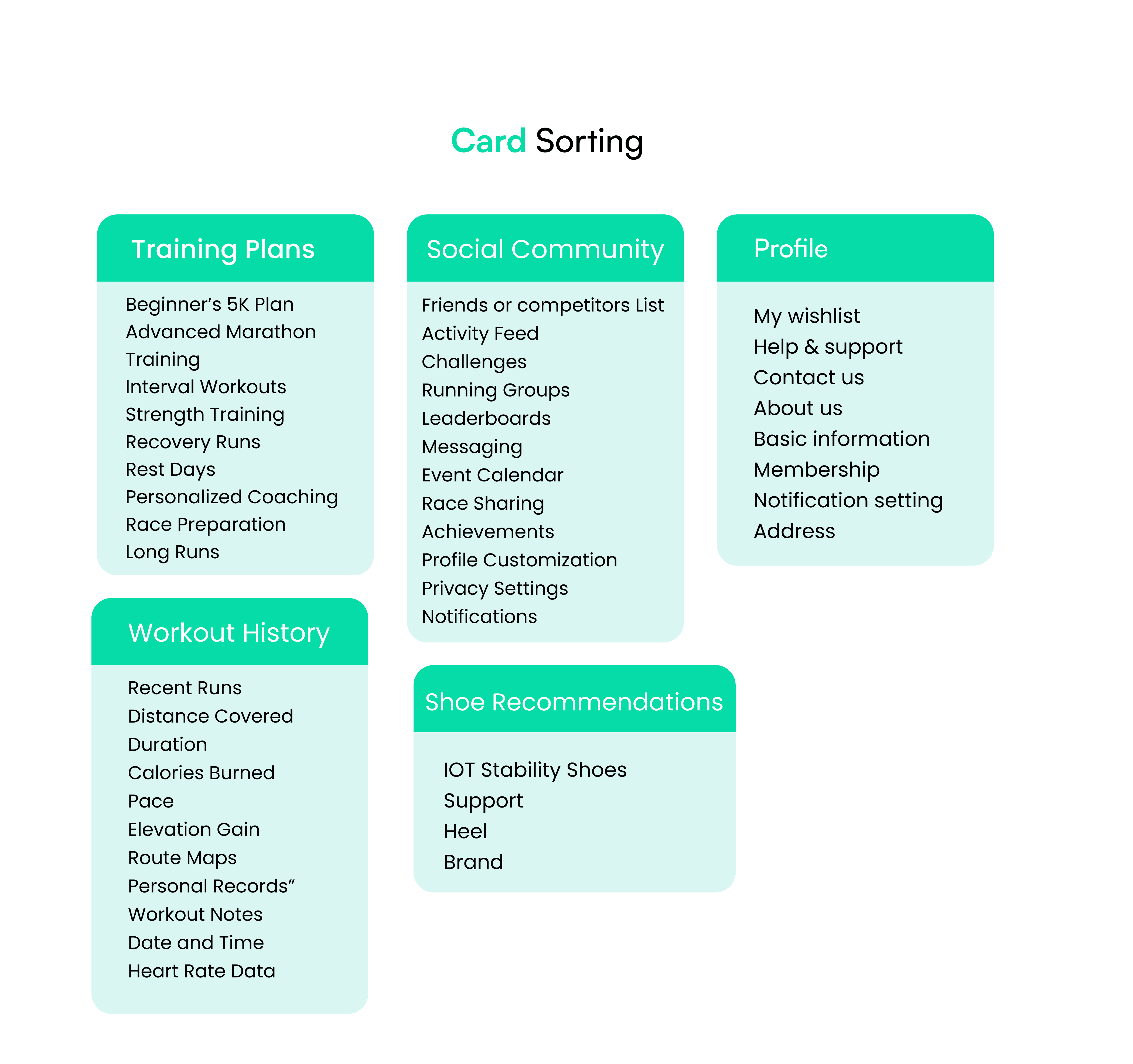
The shoe color changes based on calories burned during runs.
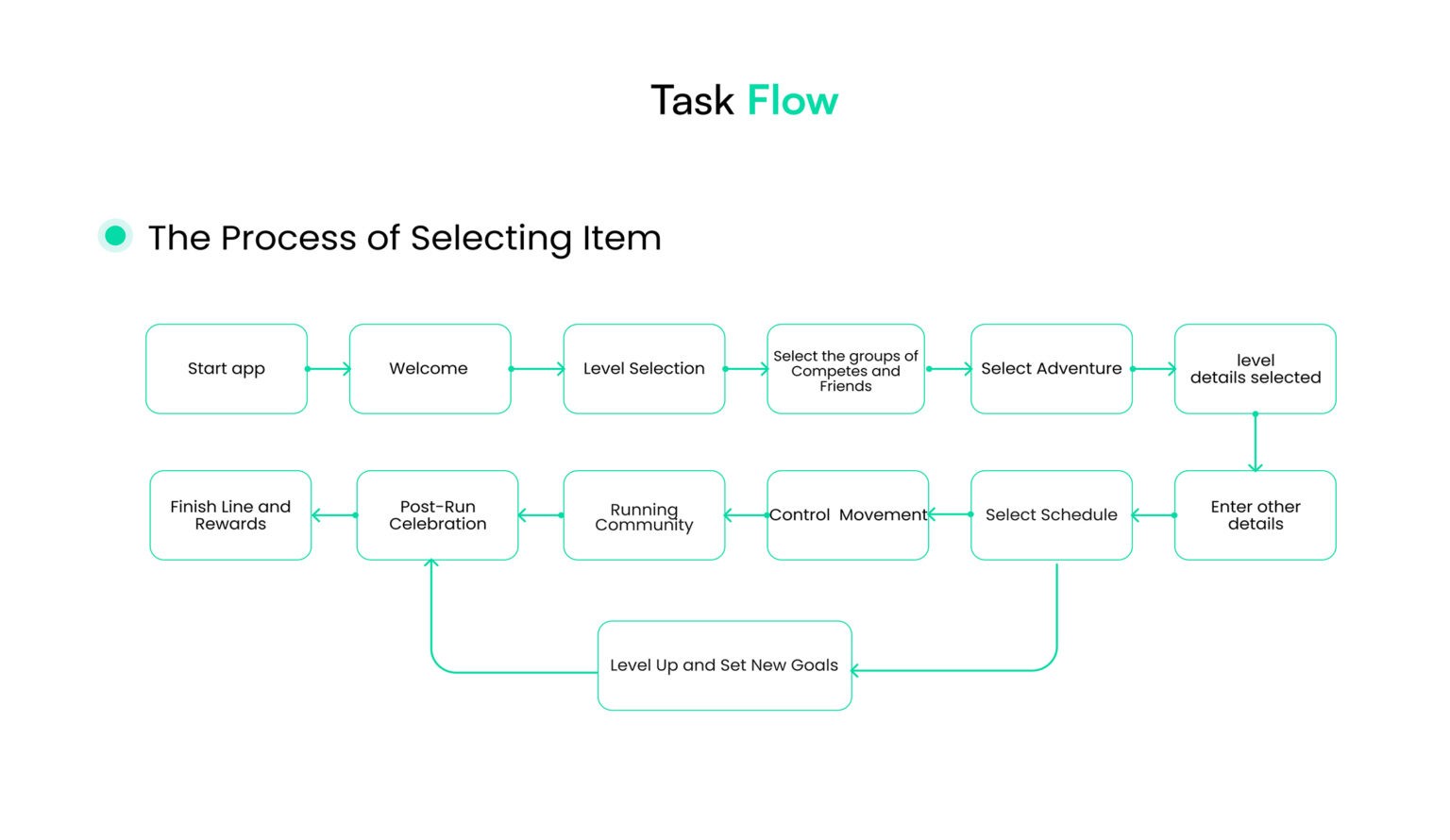
Use the app to connect with friends or competitors to join running plans. Stay motivated and committed to staying healthy.